


How to plant a moon garden

A step-by-step guide to creating a fragrant evening garden that will look enchanting come sundown.

By Eliza McCarthy

moon garden

As delightfully romantic as moon gardens are, they're also a relative cinch to create. All you need is a good location and great plants.

Add this is to disable dropcap in article body text

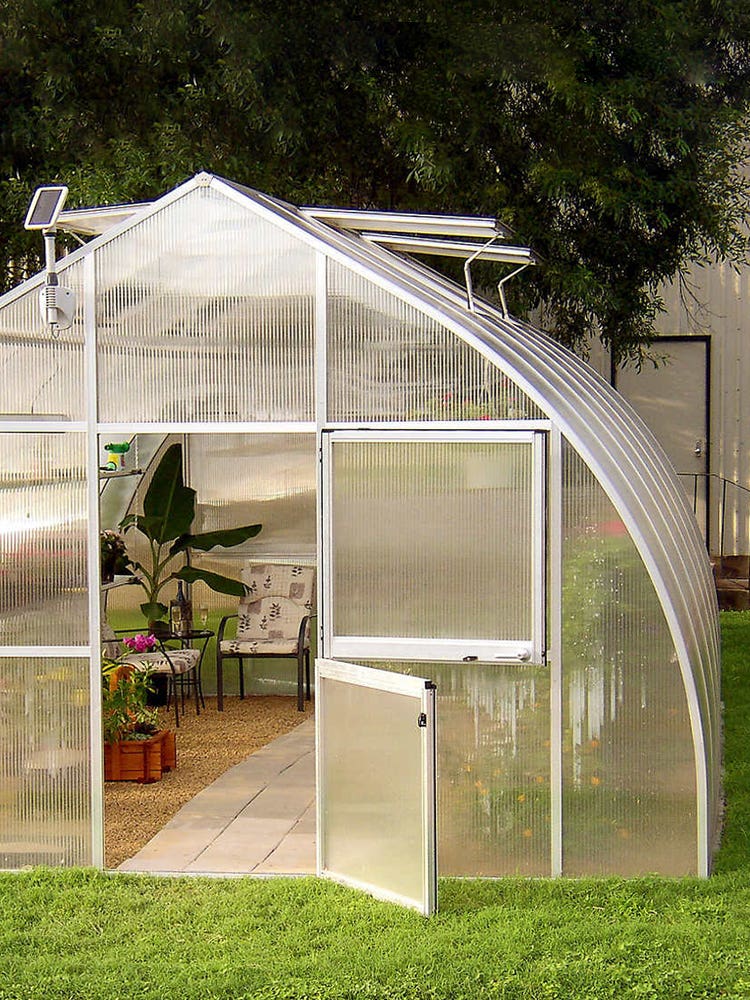
Choose a not-too-shady spot that's easily visible from your porch, patio, or fire escape, so you can savor your moon garden's scents and sights come twilight. Also, try to keep your moon garden a bit separated from the rest of your yard or patio, so that in the daytime the white flowers don't get lost—a corner or enclosed space works well.

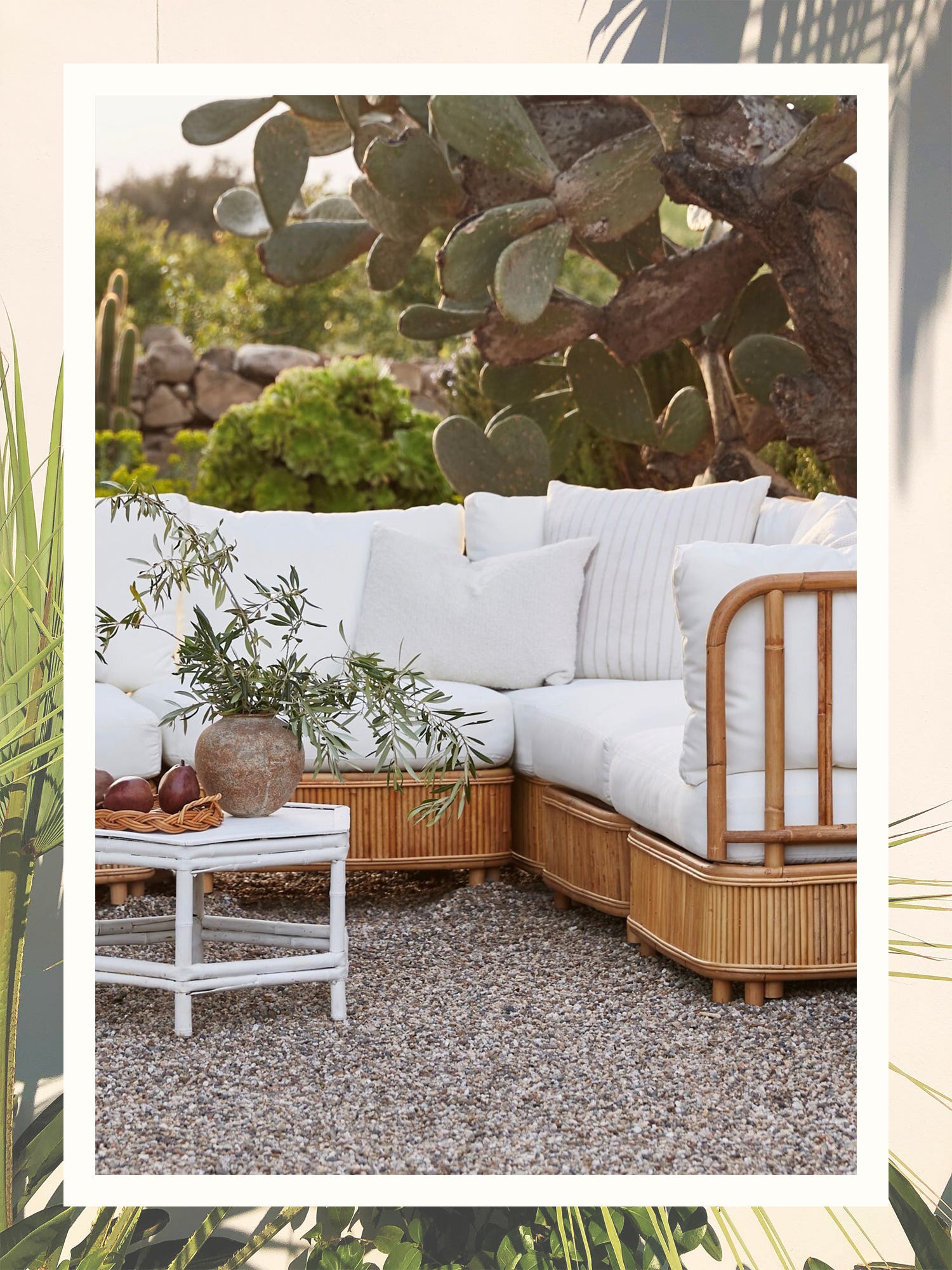
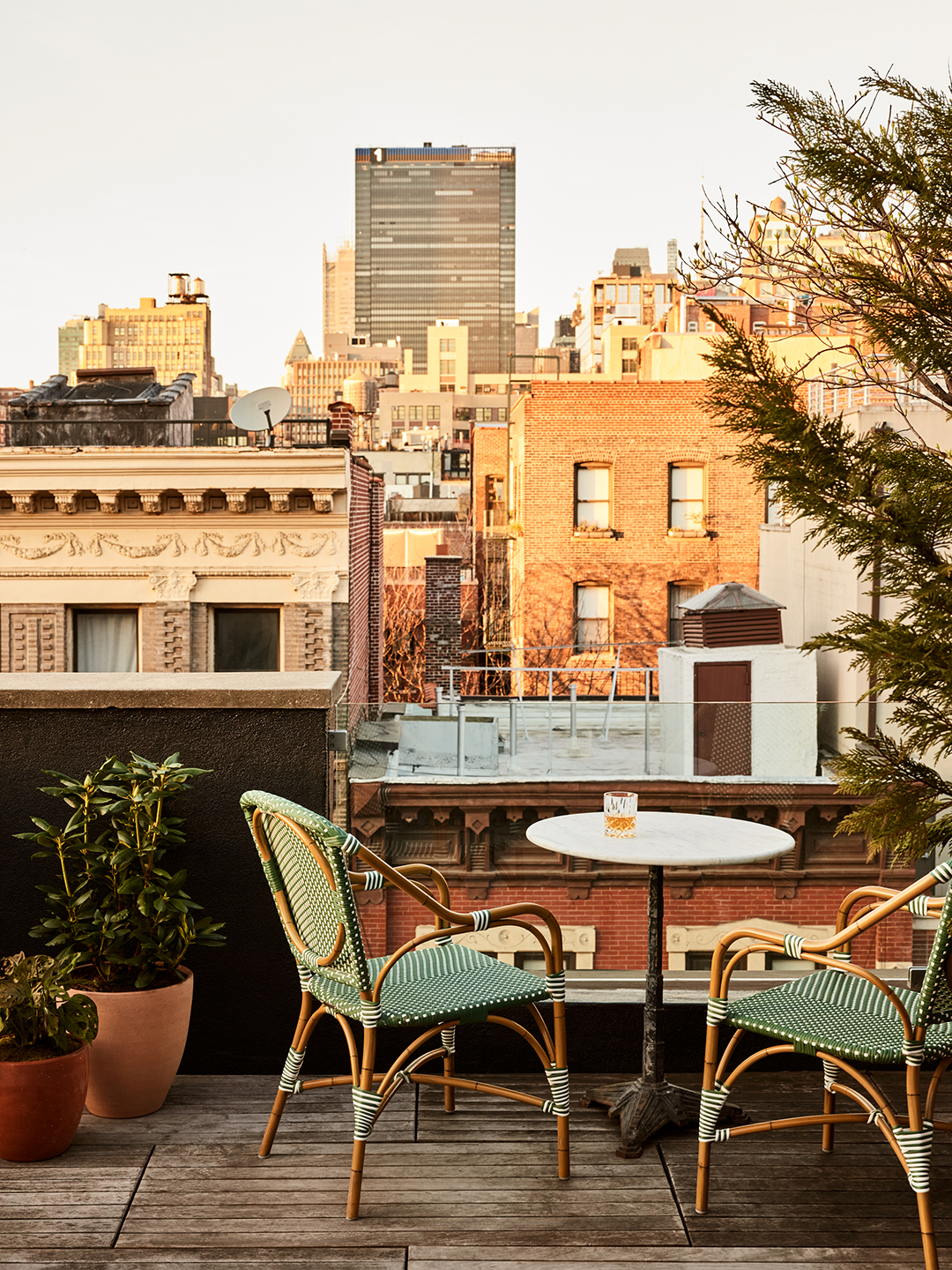
If your moon garden is big enough, a bench or table-and-chairs makes a great addition. (Vita Sackville-West and her husband, Harold Nicolson, used the White Garden at Sissinghurst, in Kent, England—the forerunner of today's moon gardens—as an open-air dining room.)

As for plants, choose from the three sections below—annuals, bulbs, and perennials—for a summertime display of fragrant, white-flowered, or silver-foliaged, ground-covering specimens. Taking a third of your choices from each section should give you a diverse, long-lasting summertime display.

Note: Few plants thrive in all regions of the country. To find out which plants below do best in your region, learn your gardening zone, and buy only plants designated for your area—the tags at nurseries will include zone ranges, as will plant catalogs and websites.

PERENNIALS*

Perennials are flowering plants that live for more than one growing season, often going dormant after autumn frosts, and re-emerging in the springtime. These are the stalwarts of the garden: long-lived, tough, and often easy to care for.

Artemisia (Artemisia sp.)

Chalky silver foliage plant, with zig-zaggy leaves.

Delphinium (Delphinium elatum)

Up to eight feet high, and spectacular summer bloomers. White form: 'Double Innocence.'

Japanese Anemone (Anemone x. hybrida)

Tall and gorgeous late-summer blooms. Best white variety: 'Honorine Jobert.'

Lambs ears (Stachys byzantina)

Wonderful, fuzzy silver groundcover, and tough as nails.

Phlox (Phlox paniculata)

Moplike heads of pure-white, fragrant blossoms. Great white variety: 'David.'

Roses

Too many beautiful white varieties to choose from. Some aces: 'Climbing Iceberg' and 'Moondance,' a four-to-five-foot bush, with scented, double flowers.

ANNUALS

The technical definition of an annual is a plant that completes its life cycle within one growing season—from seed to bloom to death. But some plants often called annuals are actually "tender perennials." This means that in some warm climates (like coastal California and parts of Florida) these plants thrive year-round, but in many regions they simply can't survive the cold winters—so we treat them as annuals and replace them each year.

Annuals

Cosmos (Cosmos bipinnatus)

Classic, tall daisy-like blooms.

Flowering tobacco (Nicotiana alata)

Delicately aromatic and gorgeously simple.

Moonflower (Ipomoea alba)

A morning-glory-like vine. Fragrant blooms open at night.

Night phlox (Zaluzianskya capensis)

Deeply scented, and rare in America.

Spiderflower (Cleome hassleriana)

Tall and spiky.

Tender perennials, grown as annuals

Datura (Datura meteloides)

Huge and a bit dramatic. Odd, musky scent.

Dusty miller (Senecio cineraria)

Dusty-white leaves, a great foliage plant. Good variety: 'Silver Dust.'

Four o'clocks (Mirabilis jalapa)

The flowers on this cute little bushy plant live for just one night! Find at local nurseries.

Helichrysum (Helichrysum petiolare)

Dainty silver groundcover.

Heliotrope (Heliotropium arborescens)

Everblooming trailer with dark green leaves. Try the 'Alba' variety.

Petunia (Petunia)

Bloom their heads off all season long.

Silver spurflower (Plectranthus argentatus)

Silvery leaves. Look at local nurseries. (May be a bit hard to find: it's just becoming more popular.)

BULBS

Plants that come from bulbs are those with a fleshy underground storage bud that provides fuel for the plant to grow. Though spring-blooming bulbs like tulips are more well-known, spring-planted bulbs like those below are perfection in a moon garden. And some of these bulbs, like lilies, will live for years—even in cold climates.

Acidanthera (Gladiolus murielae)

Exotic, purple-throated, spicily fragrant summer-bloomer.

African blue lily (Agapanthus)

Gorgeous heads of white blooms. White variety: 'Polar Ice.'

Dahlias

We love these spectacular white varieties: 'Carl Chilson' and 'Hakuyou.'

Himalayan foxtail lily (Eremerus himalaicus)

Tall spikes of star-shaped blooms. Grown in the White Garden at Sissinghurst—classic.

Regal lily (Lilium regale)

Four feet high, and to die for.

Tuberose (Polianthes tuberosa)

The basis of many perfumes. Spectacularly fragrant.

*A word about plant names: Botanists give all plants scientific names generally composed of two Latin words. Example: Phlox paniculata. These names allow gardeners the world over to know which plant is which. But many plants also have nicknames, or common names: think daisy, rose, pansy. (And sometimes, the nicknames are simply the first word of the Latin name.) We listed plants with nickname first, followed by the Latin name in parentheses.

Domino
Subscribe to Domino!
10 issues for $10
*plus applicable sales tax
Non-USA - Click Here
First Name
Last Name
Address 1
Address 2
City
 
Zip
E-mail

Subscribe to Domino & Lucky!

Domino Togo